Humanity Allied Health is known for the high standard of care we offer. We have a strong reputation for our evidence-based, backed-by-science health approach and our commitment to providing the best, specialised allied health and therapy services based on individual needs and goals.
Our aim is to help people realise their full potential.
Our customer-centric approach means that every clinician can have a positive impact on our delivery model, and quality of care. Each day, Humanity Allied Health staff across Australia strive to deliver on this: Creating a culture of honesty, respect, and consideration.
Equity and access are not only about geography. They are also about responsiveness, flexibility and designing services around what people actually need.
Humanity Allied Health is prepared to adapt delivery models, use digital care, and draw on multidisciplinary capability to find practical solutions that work for participants, families and communities.
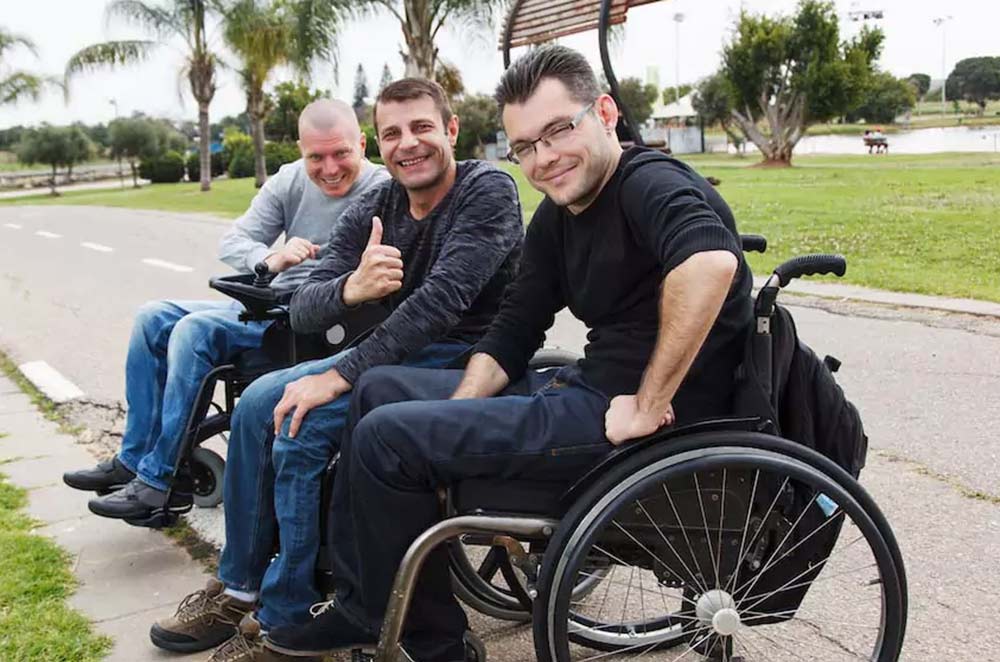
“We’re in the business of helping people get to where they want to be throughout their life.
Every day, we’re improving individual’s quality of life.”

What we do, we do well.
We have high standards and take pride in both the pace and value of our work.

Our clients’ successes are our greatest achievements.
We are committed to delivering the best possible outcomes.

We are constantly developing new ideas and approaches.
We encourage creative thinking, use of new scientific methods & partner with leading research institutions.

We align our actions with values.
We believe in being respectful, honest, reliable, and responsible, and reflect these values in all that we do.

We intentionally put people first.
We help our staff and customers reach their full potential and feel part of our connected community that is diverse and inclusive.
What we do, we do well.
When you’re deciding who to trust with therapy, consistency matters. You want to know that a session in clinic, at home or online will meet the same standard, no matter who runs it or where it happens. That’s what quality means here. It’s about the small things too, like clear notes, following through on what was agreed, and clinicians who check their own work before moving on. At Humanity Allied Health we know this is the reliability you’re looking for. You shouldn’t have to wonder if today’s session will be as good as last week’s.
Our clients’ successes are our greatest achievements.
You’re not looking for a generic plan. You want progress that fits your life, your goals and what matters to you day to day. That might mean getting to the bus stop on your own, having an easier conversation with your family, or managing a task at home without help. Goals are set with you, not for you, and reviewed as things change. For a support coordinator, this means a participant’s plan connects to real outcomes you can track and report on, not just a list of sessions delivered.
At Humanity Allied Health we are constantly developing new ideas and approaches.
Therapy that stands still stops being useful. You benefit when your clinician draws on current research and looks for better ways to approach your goals, rather than sticking to one method regardless of how you respond. This can mean adjusting an approach that isn’t working, trying a method backed by newer evidence, or drawing on links with academic and research partners to inform practice. For you, it means the support you get keeps pace with what’s actually working, not what’s always been done.
At Humanity Allied Health we are constantly developing new ideas and approaches.
Therapy that stands still stops being useful. You benefit when your clinician draws on current research and looks for better ways to approach your goals, rather than sticking to one method regardless of how you respond. This can mean adjusting an approach that isn’t working, trying a method backed by newer evidence, or drawing on links with academic and research partners to inform practice. For you, it means the support you get keeps pace with what’s actually working, not what’s always been done.
At Humanity Allied Health, we help the person, not a funding category or a referral number. This shows up in how a clinician takes the time to understand your background, your circumstances and what you actually need, rather than applying a one size fits all approach. It also means working with a team that reflects the diversity of the people it supports, so your care fits your context rather than asking you to fit the service. For support coordinators, it means a provider who listens to the participant’s voice in planning, not just the paperwork around them.